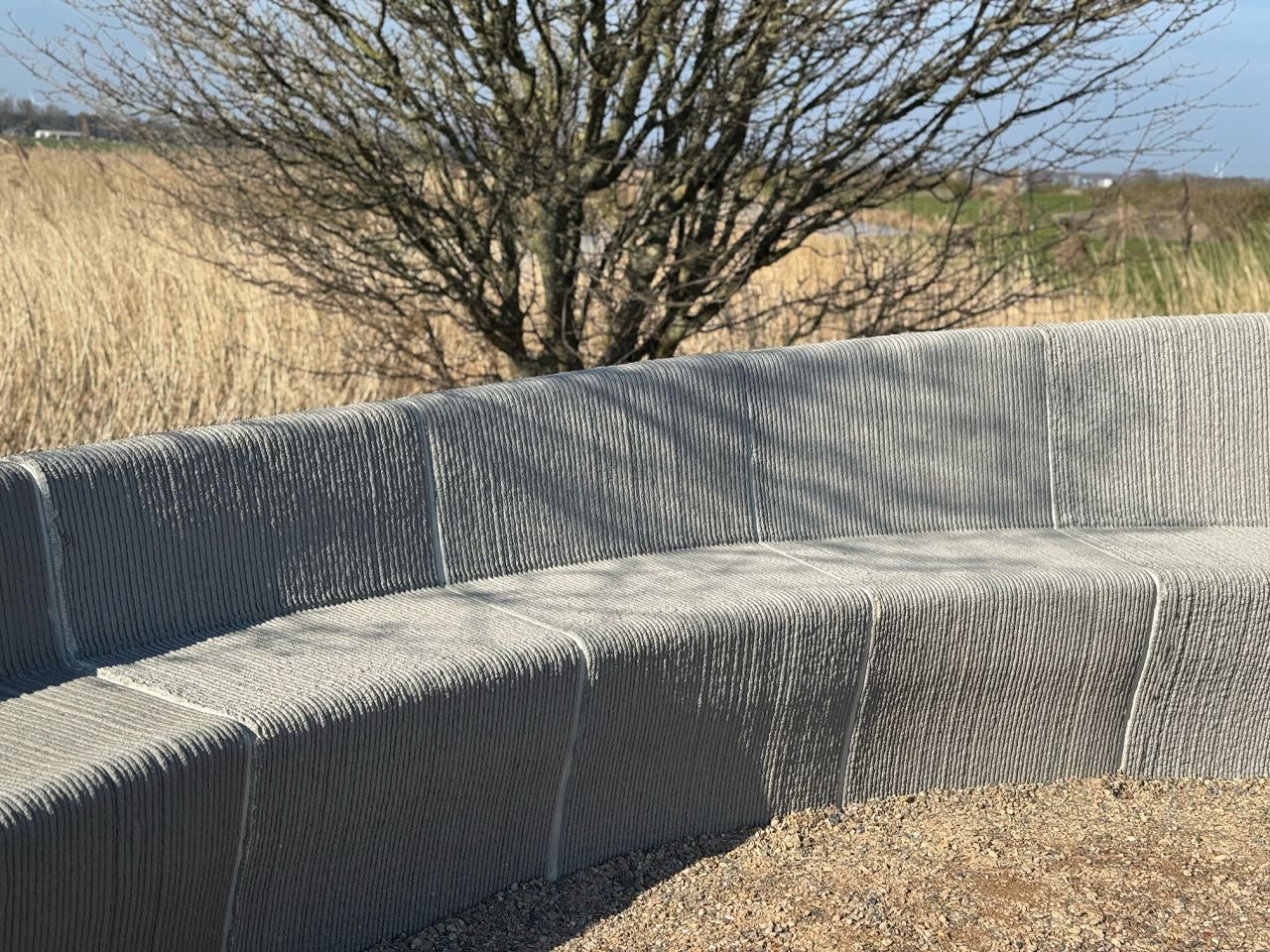
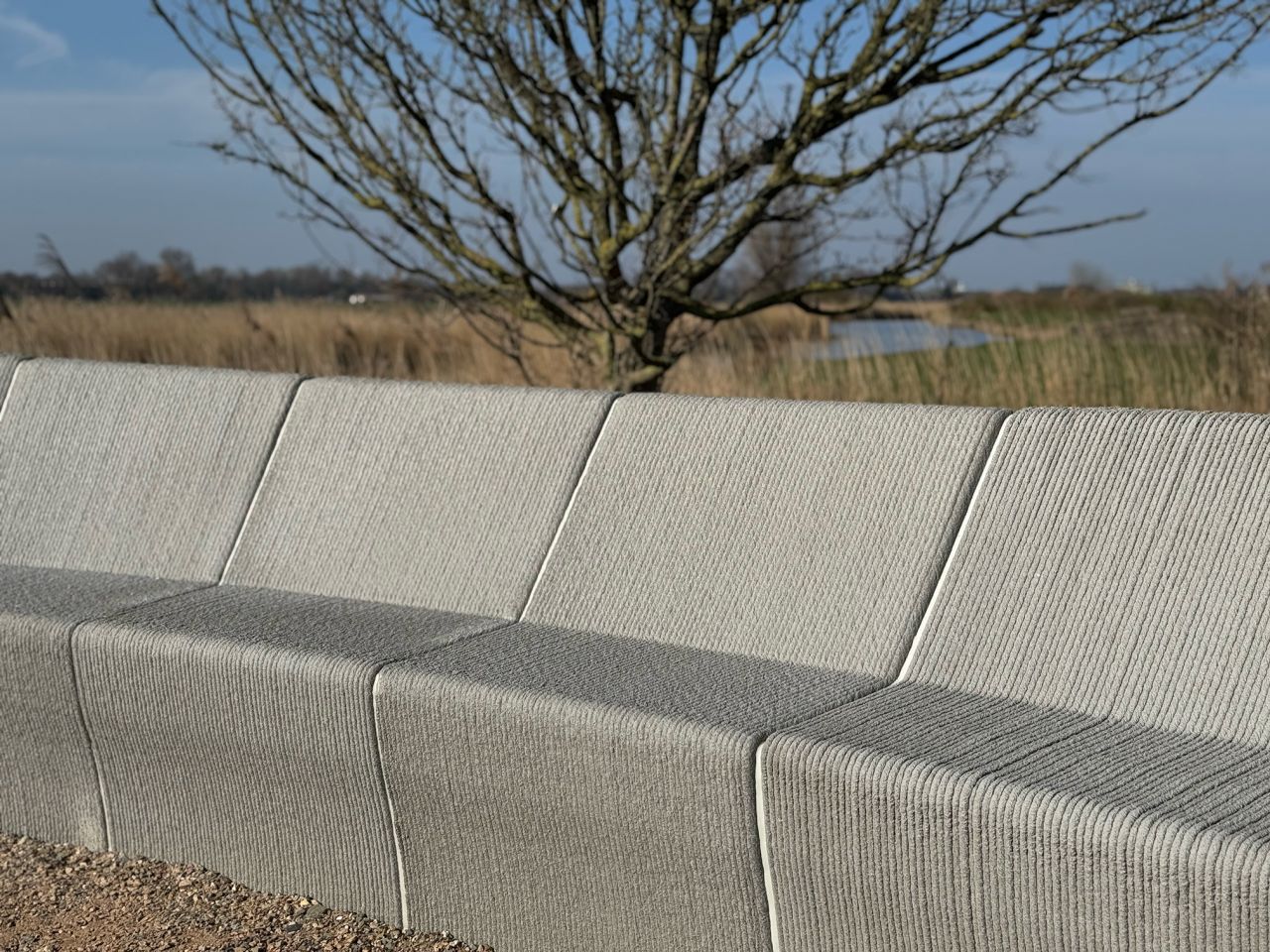
Custom 3D-printed concrete bench as new recreational spot

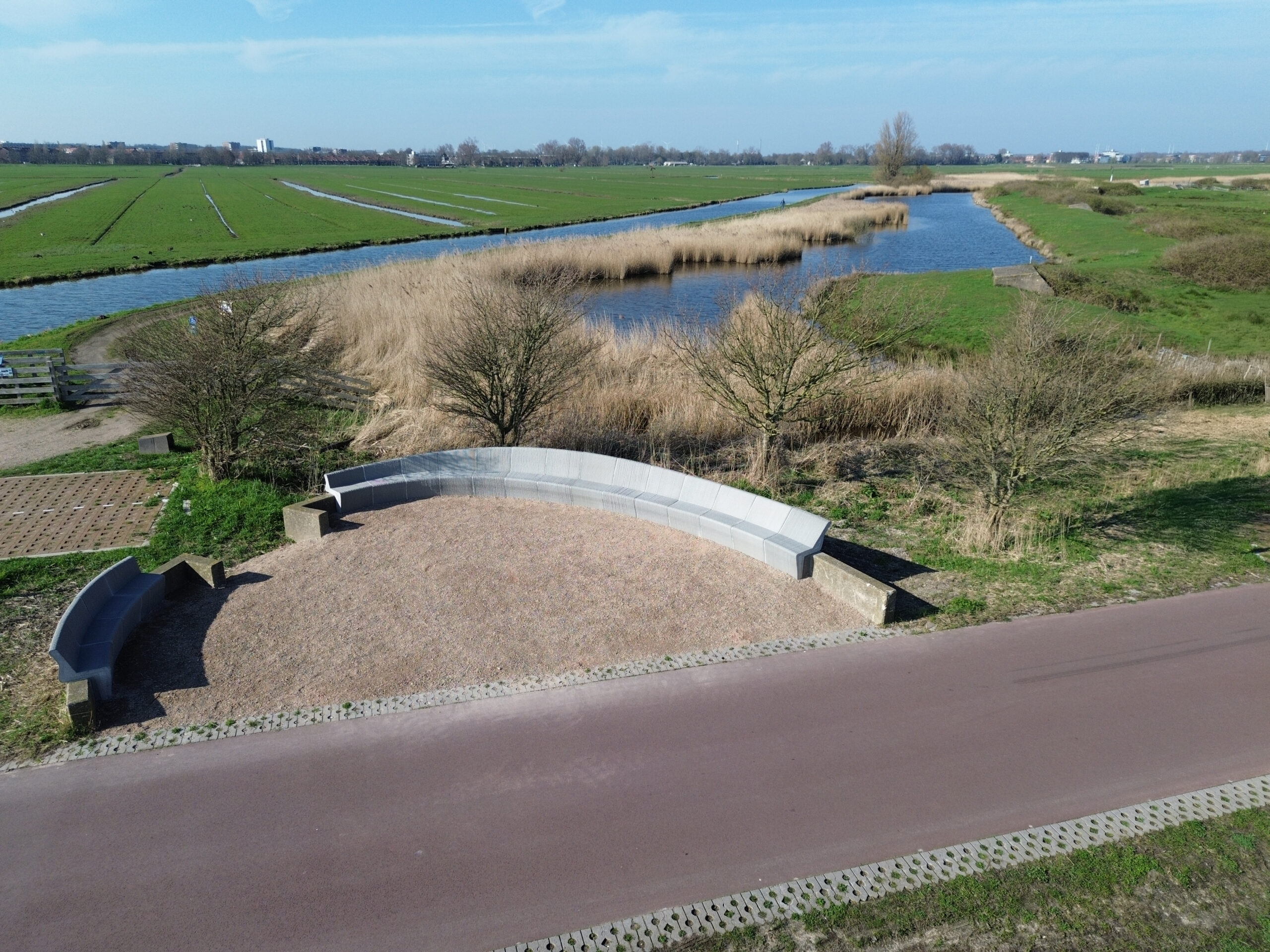
On the Spaarndamseweg in Haarlem, a new resting spot has been created for cyclists and passersby. Neolithic designed and produced a custom concrete seating element using 3D concrete printing: a compelling example of how digital fabrication techniques can give existing infrastructure a new lease on life.


Background and collaboration


The Municipality of Haarlem set out to transform an existing location into an attractive and functional public space. In collaboration with landscape architect Boudewijn Almekinders, Neolithic was commissioned to develop a fitting solution using 3D-printed concrete. The design was created by Tico Beekman.


From digital survey to unique design


The starting point was the existing concrete barrier on the site. To ensure a seamless fit, the existing structure was first fully digitally scanned and surveyed. Based on that data, Neolithic developed a bespoke design: a seating element that organically connects to the existing construction, without the need for demolition or removal of any existing materials.

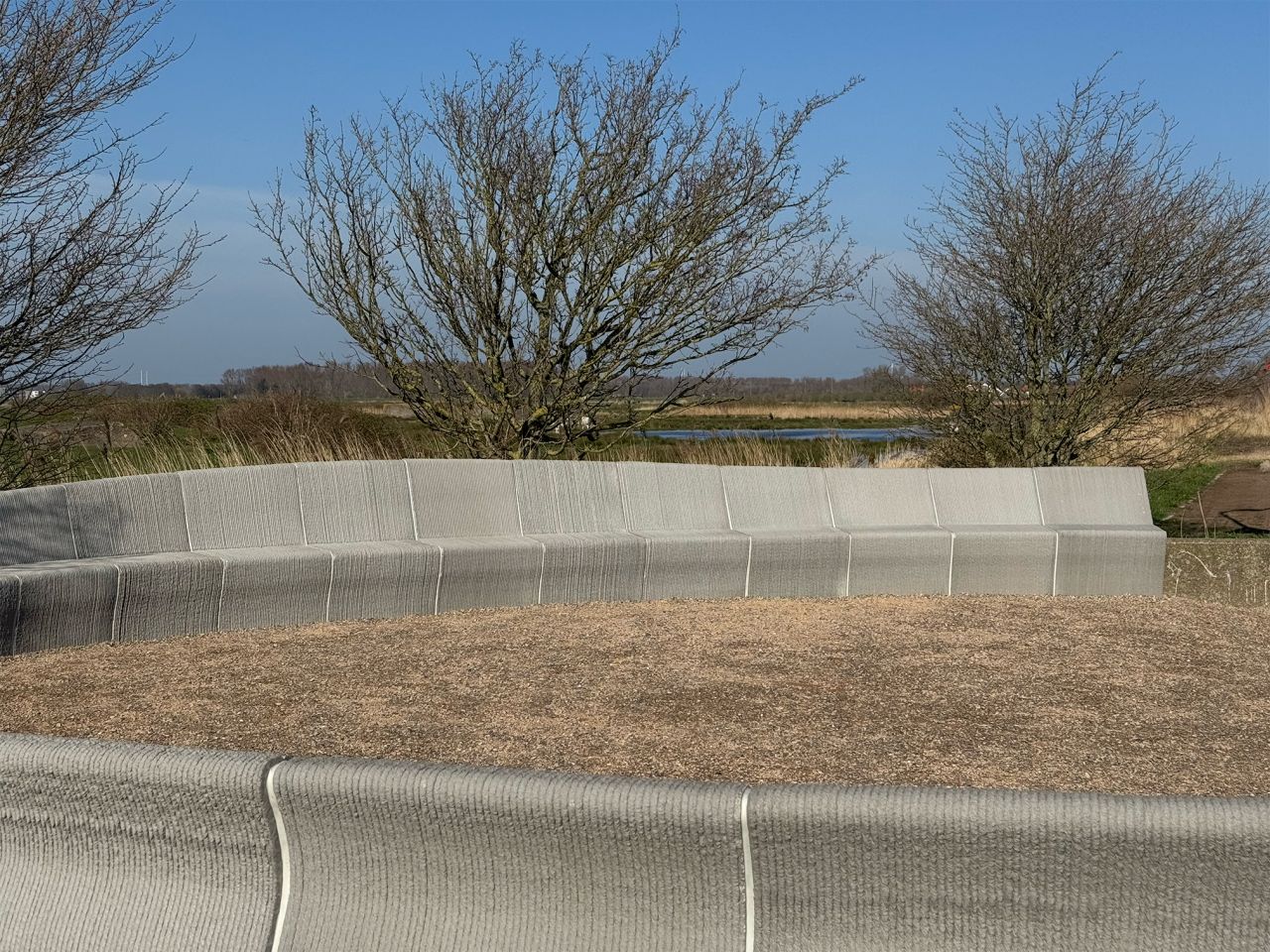
The result is a modern, flowing concrete bench composed of multiple 3D-printed elements that together form a single cohesive whole. Fully digitally designed and produced. No formwork required.
 

Sustainable and future-proof


Beyond its aesthetic and functional qualities, this project is also a sustainable choice:

  • The existing barrier remains in place and is given a second life, eliminating the need for demolition or disposal.
  • The object is entirely custom-produced and manufactured digitally on demand — no overproduction.
  • 3D concrete printing places material only where it is structurally needed, resulting in less material use compared to traditional methods.
  • The bench is robust, low-maintenance, and designed to last.


The bench was expertly installed by Dura Vermeer.

Digital techniques as a catalyst


This project demonstrates the power of combining parametric design, digital fabrication, and robotic production. Existing infrastructure doesn’t need to be replaced to be improved, with the right techniques, it can be extended, enhanced, and made more functional.