Why this innovative ecological solution for fish?
Water quality in the Netherlands has been under pressure for years. The interim evaluation of the European Water Framework Directive (February 2025) shows that only 9.4% of Dutch surface water meets the chemical standards, down from almost 40% in 2019. The ecological condition has worsened further over six years, leaving no surface water at all in good ecological status. The consequences for our fish are significant too: around 37% of freshwater fish species are under pressure or threatened with extinction.
This challenge is not without obligation. The Water Framework Directive, adopted by the European Union in 2000, requires all member states to bring their groundwater and surface water up to standard. By 2027, all water in the Netherlands must form a good habitat for the plants and animals that belong there. Together with the EU Green Deal and the Biodiversity Strategy for 2030, this makes it essential to improve biodiversity and water quality in the short term.
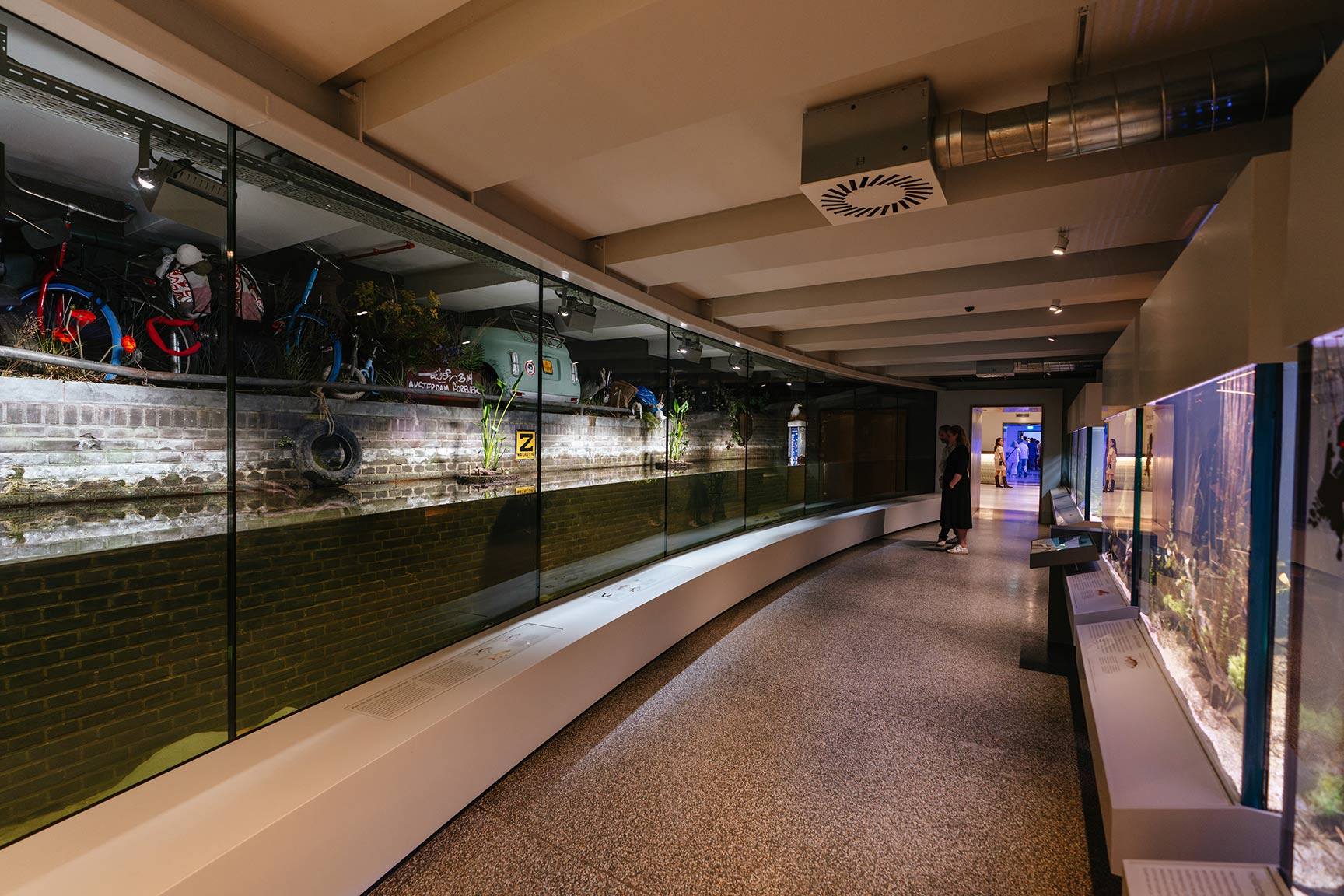
It is precisely in urban areas that much natural habitat is being lost. Through urbanisation, hydraulic engineering works and the replacement of natural banks with hard quays and sheet piling, the places where fish can shelter, spawn and grow up are disappearing.
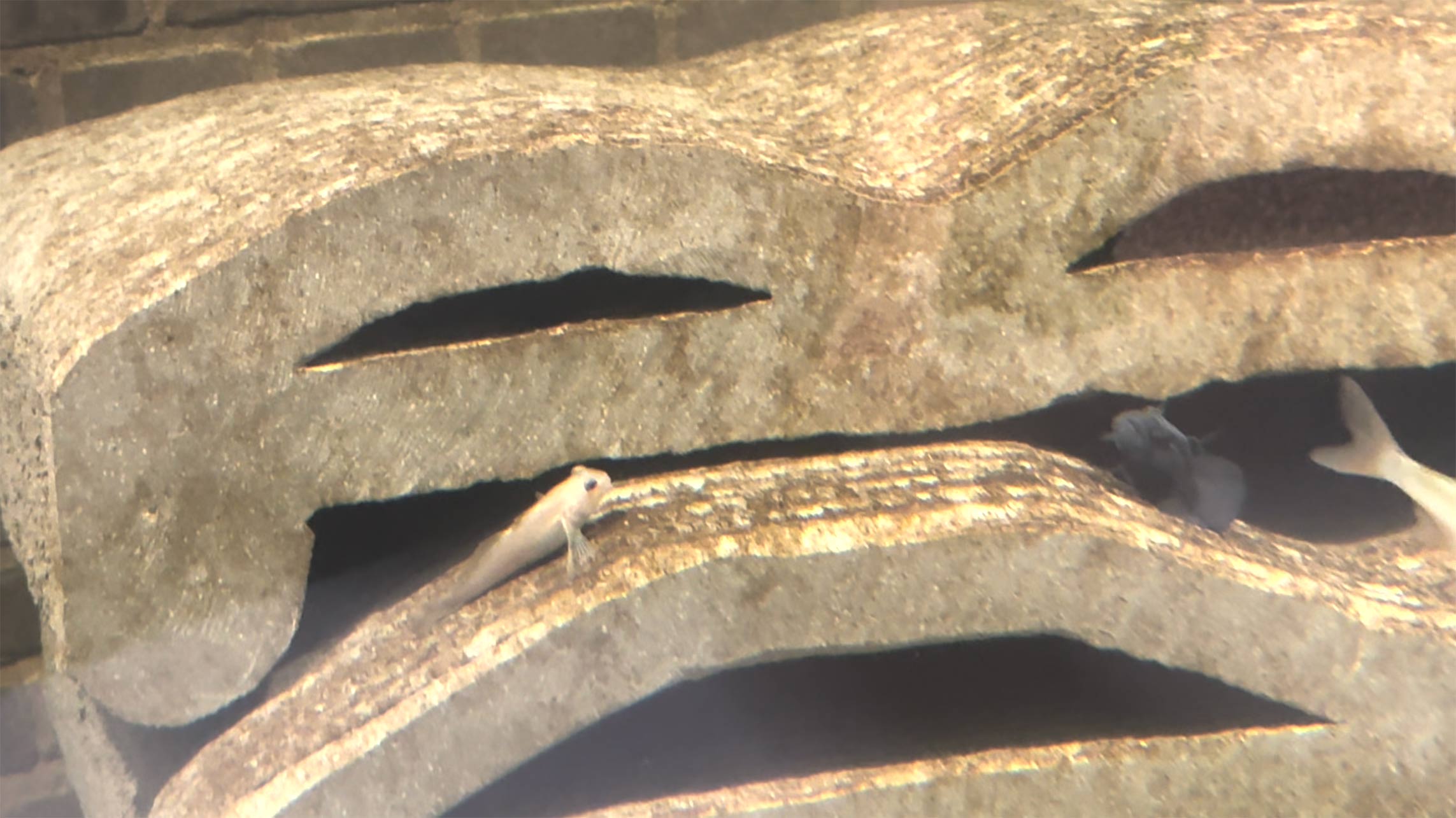
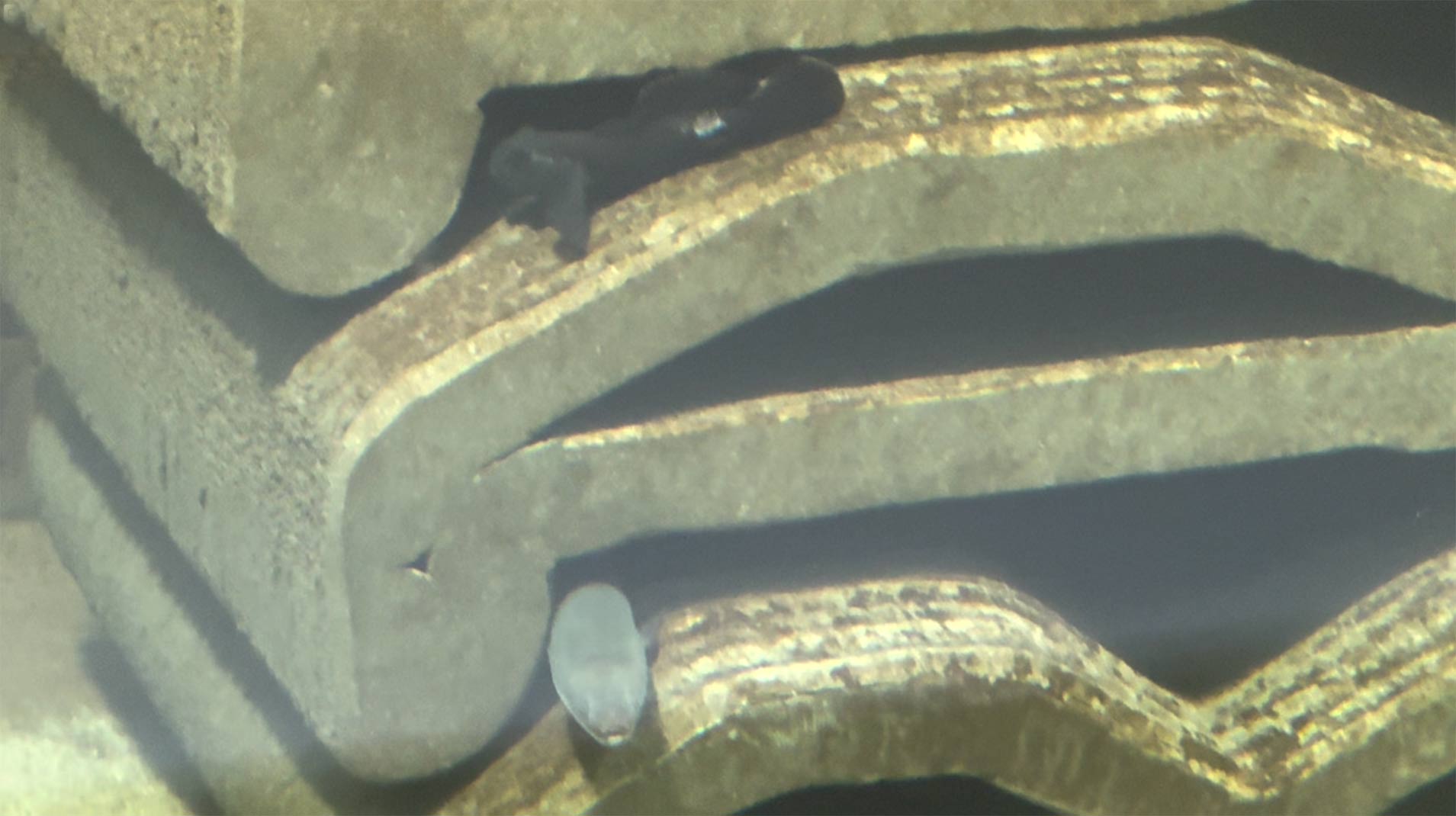
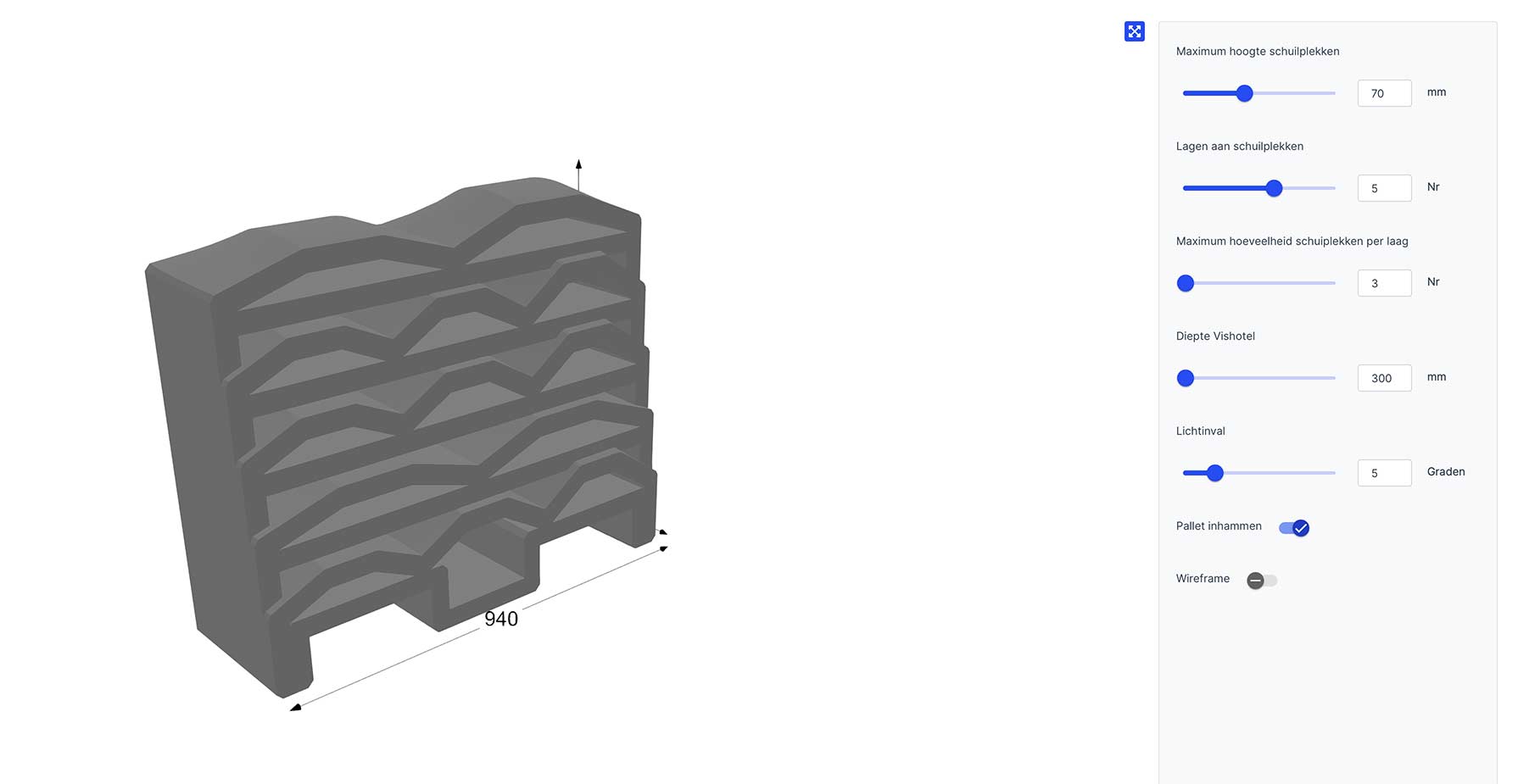
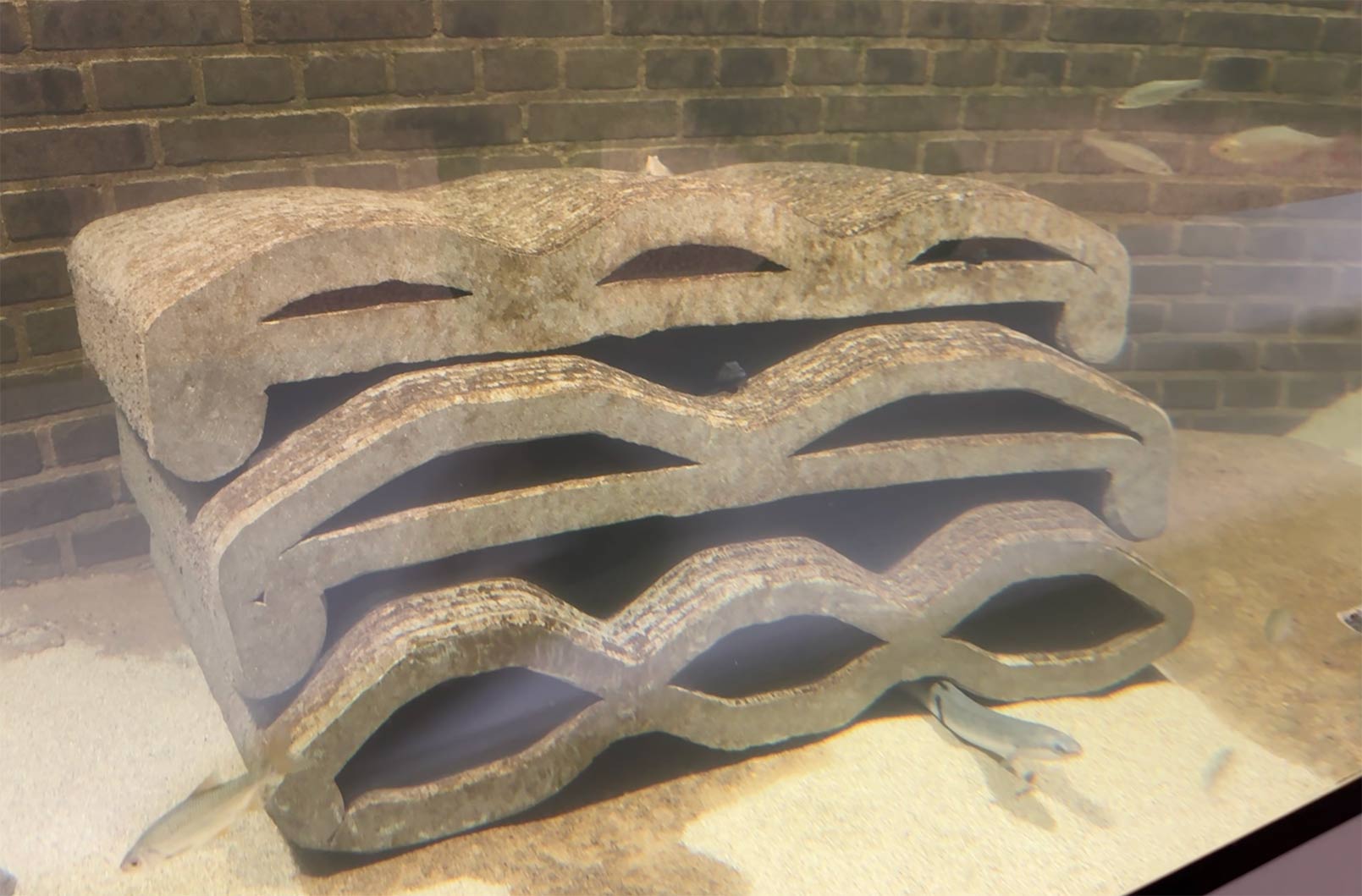
Our vishotels bring those habitats back. We design them together with ecologists and print them to suit each location and target species in an artificial stone-like material. The organic shapes and ribbed structures offer shelter from predators and currents, room to spawn and space for young fish to grow up safely. At the same time, algae and mussels attach to the structure, which helps improve water quality. The hotels are robust, maintenance-free and last longer than traditional constructions made of willow branches or metal.
In this way, through digital production and ecological design, we make a concrete contribution to the goals of the Water Framework Directive: healthier, more biodiverse and more nature-inclusive water in the city.